Pool renovation and repair in Australian cities
Open a city to find companies that renovate and repair existing pools as their main work. There is one list per city and no specialty pages, but three buttons inside it, Resurfacing, Tiling and Leak detection, narrow it to companies with jobs of that kind. Builders that only construct new pools are left out.
- No tradie pays to be listed
- A Pro or Top tag means a paid upgrade
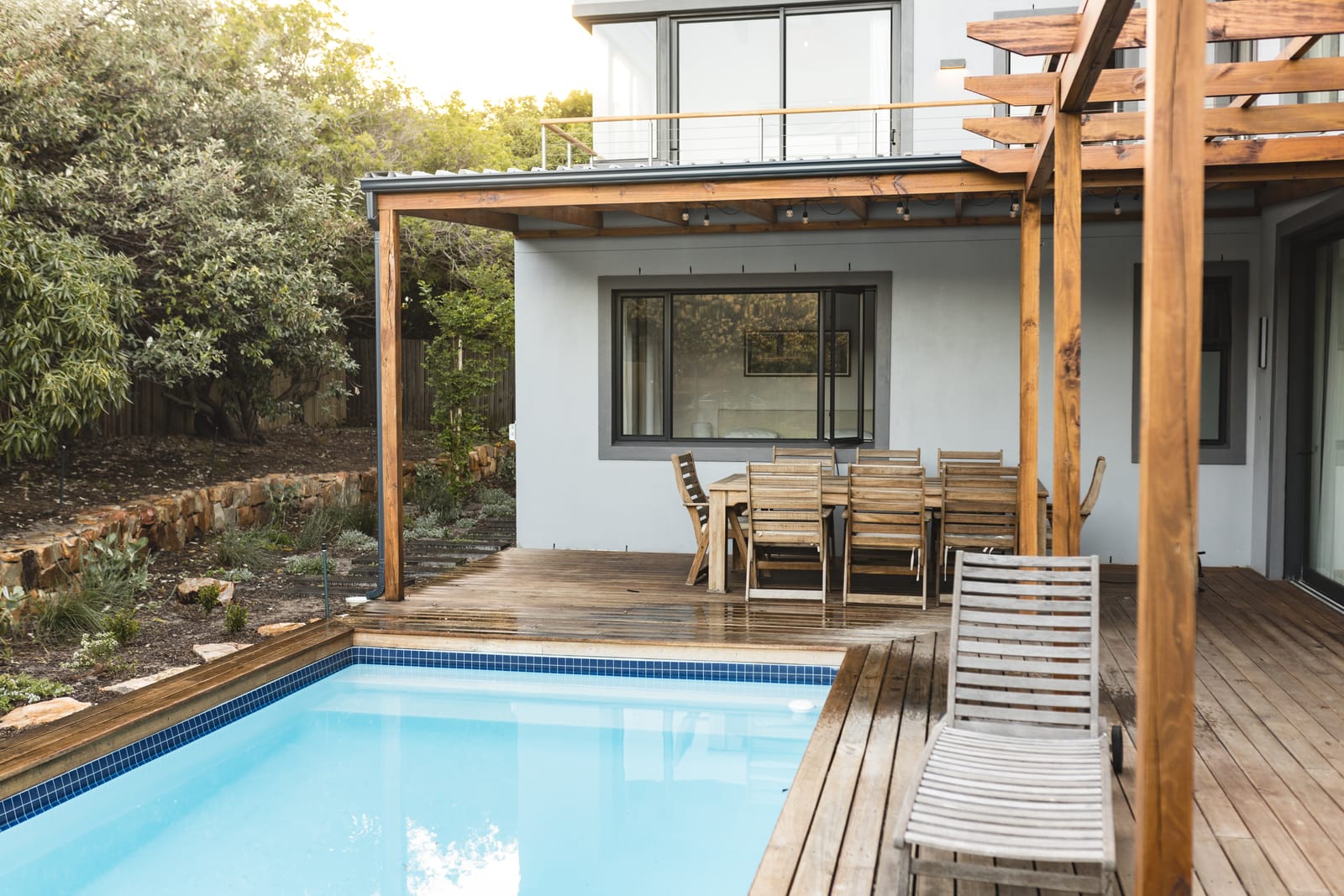
Pool renovation and repair companies in cities and regional towns
Narrow a list to one job
Resurfacing
Pool tiling
Leak detection
What owners ask first
How can I tell a leak from evaporation?
Every pool loses some water to evaporation, more in hot, dry or windy weather. A common first check is the bucket test: a bucket of water sits on a step, and after a day you compare how much the bucket and the pool each dropped. If the pool drops faster, a leak specialist can pressure test the pipes and fittings and use dye or listening equipment on the shell, usually before anything is dug up.
What is the difference between resurfacing and retiling?
Resurfacing replaces the interior finish, such as pebble, quartz or an epoxy coating, over the existing shell. Retiling replaces the tiles, often at the waterline or on steps and walls. Ask how long the pool will be out of use, how the old finish is removed, what the new surface is covered for and how it should be looked after.
Is it safe to empty my pool for the work?
Not without advice. Where groundwater is high, an empty pool shell can lift out of the ground. Let the company decide when and how to drain it, and ask what it checks first. Some jobs, such as retiling at the waterline, only need the water lowered.
Does a renovation need approval, and what should I get in writing?
Resurfacing or retiling an existing shell often does not, but changing the size, depth or shape of the pool, or touching the barrier, can. Ask who decides and who applies. Get in writing the scope of work, the finish and colour, who removes the old surface, the timeline, the warranty on materials and workmanship, and the licence number where your state asks for one for the job.